In March 2019, Microsoft opened two Azure regions in South Africa, one in Johannesburg and one in Cape Town. Microsoft described them as its first enterprise-grade datacenters in Africa. AWS followed with its Africa (Cape Town) Region in April 2020. Google Cloud opened its Johannesburg region in January 2024.
All three are in South Africa. A team selling software in Lagos, Nairobi, or Accra runs its product on a region thousands of kilometers from its users, or on one in Europe. That single fact drives more architecture decisions than any headline about African tech.
This article walks through the infrastructure a builder actually depends on, layer by layer: international bandwidth, cloud, data law, power, and payments. For each, it says what exists, what is missing, and what to decide.
Treat it as many markets, not one
Sub-Saharan Africa is dozens of countries with different networks, grids, currencies, and regulators. Infrastructure also varies inside countries, between a capital's business district and a secondary city. A continental average describes no real customer.
So the unit of analysis is the customer site. Before choosing a hosting region or a payment provider, list where your first fifty customers will be, how they connect, and how they keep the lights on. The rest of this article assumes you have that list.
International bandwidth: the coast is ahead of the last mile
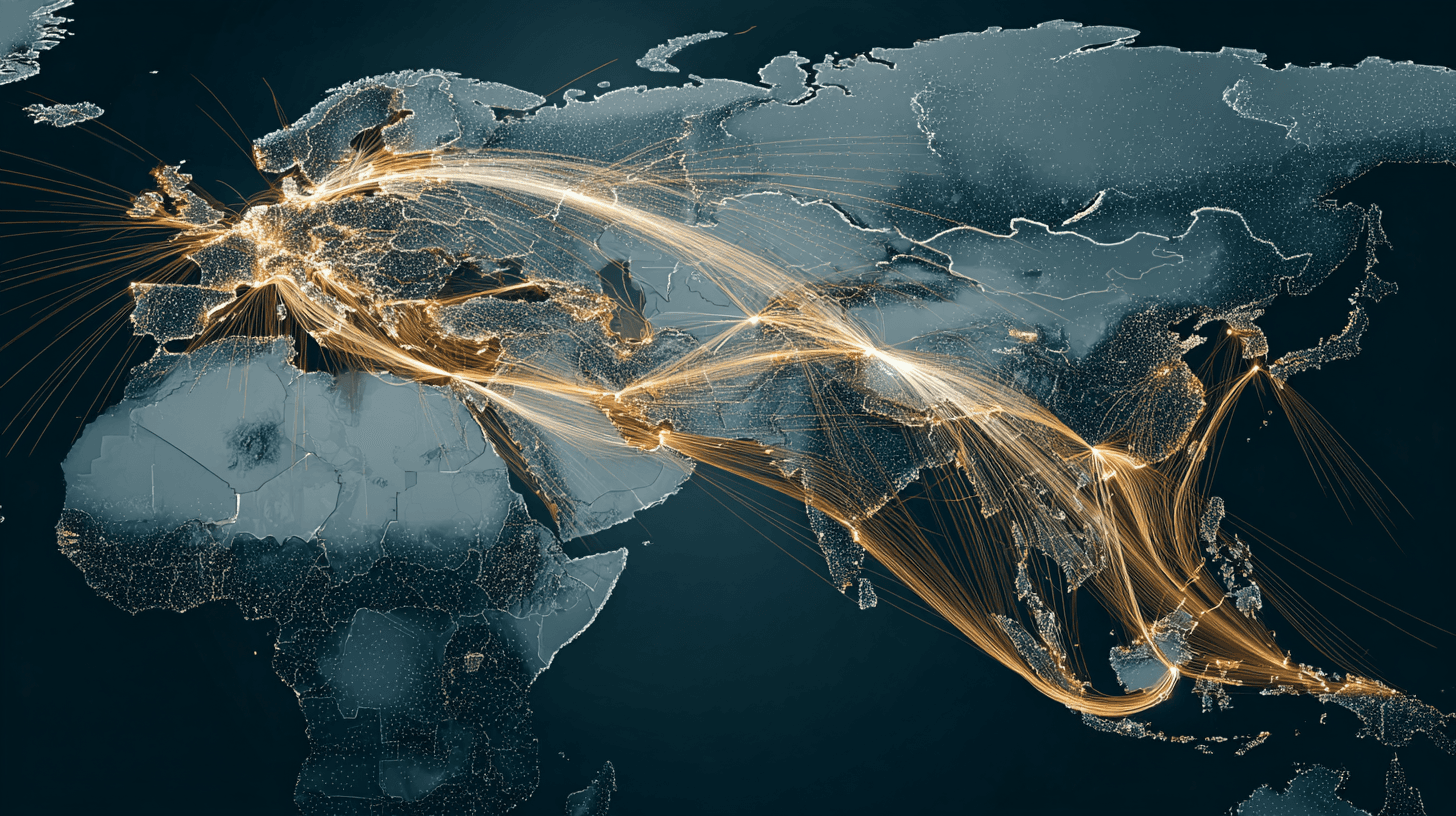
In November 2025, Meta announced that the core of the 2Africa subsea cable was complete. SubTel Forum reported that the system connects 33 countries across Africa, the Middle East, Europe, and Asia, with trunk design capacity of up to 180 terabits per second. The same report noted landings still outstanding, including Sudan.
Design capacity at a landing station is not what your user gets on a phone in a market town. The gap between the cable and the customer is the domestic backbone, the mobile network, and the price of data. Those vary by operator and by district.
What to do:
- Test your product on the networks your users are on, at the hours they use it, from the places they work.
- Set a page-weight and request budget per screen, and hold to it.
- Assume some sessions will drop mid-task, and make every write safe to retry.
Cloud: closer, slowly
Two developments have brought compute nearer to users outside South Africa.
In January 2023, AWS opened a Local Zone in Lagos. A Local Zone places a subset of AWS compute, storage, and database services close to users so that applications can reach single-digit-millisecond latency. It is not a full region, and it does not offer every service a region does.
In May 2024, Microsoft and the UAE AI company G42 announced a $1 billion package for Kenya that included a geothermal-powered data center at Olkaria, intended to host a new Azure region for East Africa. It was announced as a letter of intent. In May 2026, TechCentral, carrying a Reuters report, said talks over guaranteed annual payments had broken down and the project could be scaled back; Kenya's principal secretary for information said it had not failed or been withdrawn. Do not plan around this region until Microsoft lists it as available.
What to decide:
- Measure round-trip latency from real customer sites to each candidate: Johannesburg, Cape Town, the Lagos Local Zone, and the European regions you would otherwise use.
- Separate the workloads that need low latency (interactive screens, voice) from the ones that do not (reporting, batch jobs, model training). Only the first group needs to be close.
- Put a review date in the calendar to re-check announced regions, and move workloads when capacity is actually available, not when it is announced.
Data law: it can decide the region for you
Three of the larger markets now have dedicated data protection statutes and regulators.
- Nigeria. The Nigeria Data Protection Act was signed in June 2023. KPMG's review notes that it replaced the 2019 Nigeria Data Protection Regulation and created the Nigeria Data Protection Commission.
- Kenya. The Data Protection Act was assented to in November 2019 and established the Office of the Data Protection Commissioner.
- South Africa. The Protection of Personal Information Act (POPIA) required compliance from 1 July 2021.
Each law sets conditions on how personal data is processed and when it may leave the country. How those conditions apply to your product depends on the data you hold and who your customers are. That is a question for a qualified lawyer in each market, and it is worth asking before you commit to a hosting region, because moving later costs more. TechRadar's coverage of the AWS Cape Town launch pointed to POPIA data residency as one reason customers would choose an in-country region.
Power: the outage is part of the specification
South Africa has the deepest cloud and payment infrastructure in the region, and it still lost power on most days of 2023. IOL reported a record 332 days of scheduled rolling blackouts (load shedding) that year, citing figures compiled by the EskomSePush app.
Outages reach your product in two ways. Customer devices and routers go down. And customers who run on backup power ration it, so your software competes with everything else on the generator or the battery.
What to build:
- Offline-first clients for any workflow done in the field or on a shop floor: capture locally, sync when a connection returns, and resolve conflicts on the server.
- Low-power defaults on mobile: fewer background calls, smaller downloads, no autoplay.
- Status that tells the user what has and has not been saved.
Ask your first customers how they power their sites and what happens to their work during an outage. Their answers are the specification.
Payments: consumer rails are ahead of business billing
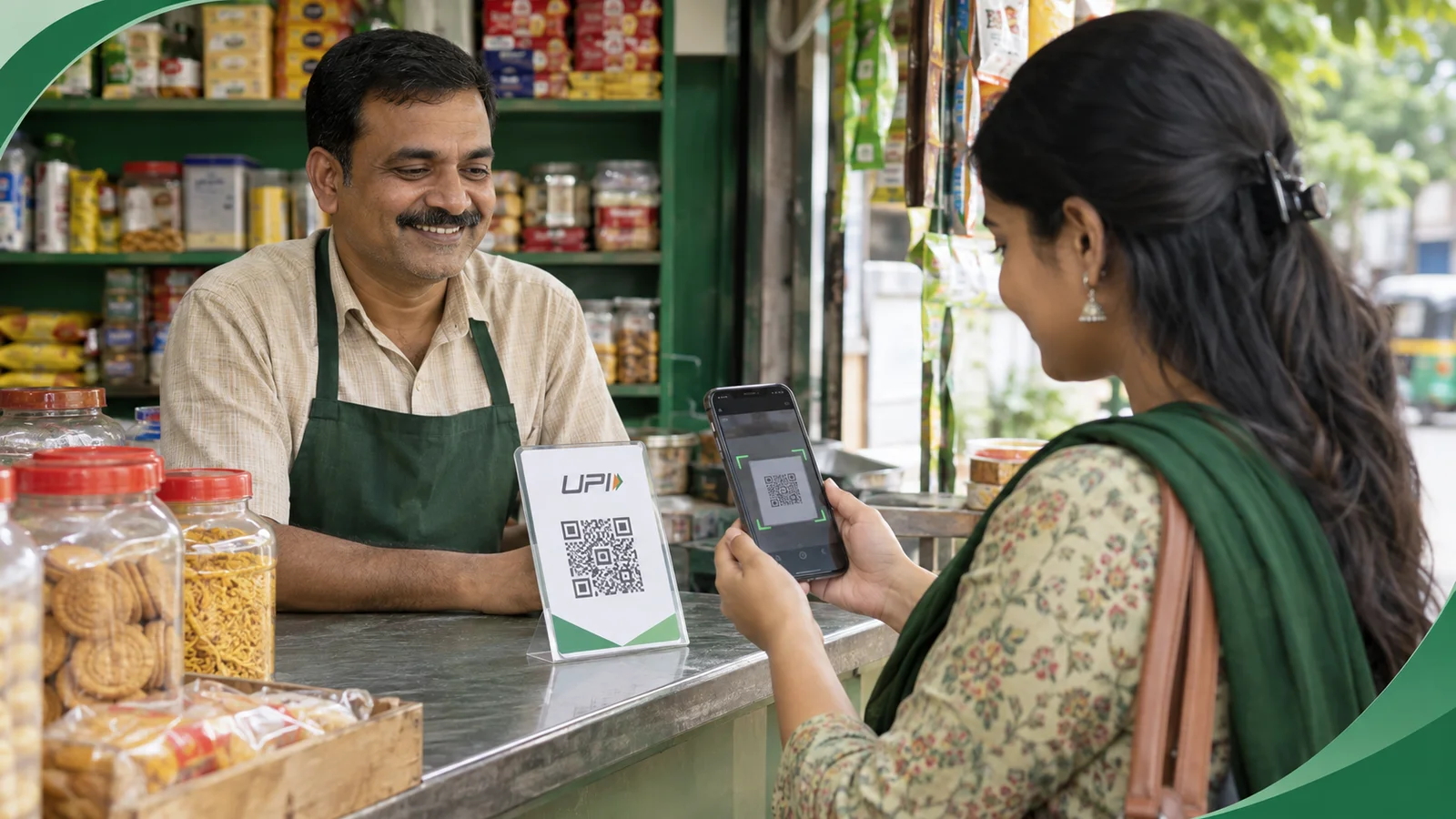
Mobile money made person-to-person and consumer payments digital in several East and West African markets. Card and bank-transfer acquiring for businesses has developed separately. In October 2020, Stripe agreed to acquire the Nigerian payments company Paystack; TechCrunch reported a price of more than $200 million.
For a business-to-business product, the hard parts are rarely the checkout button. They are recurring billing, invoice payment by a customer's finance team, settlement currency, and the time between a customer paying and the money reaching an account you can spend from.
Before you price a product in a new market, get answers to four questions:
- Which collection methods do your target customers' finance teams actually use: bank transfer, card, or mobile money?
- In which currency do you settle, and how long does settlement take?
- Can the provider run recurring charges against that method, or will you be sending invoices every month?
- What happens to your margin if the local currency moves sharply against the currency you pay your cloud bill in?
Market notes
Nigeria is Africa's most populous country, at about 232.7 million people in 2024 according to the UN's World Population Prospects 2024. It has the Lagos Local Zone and a data protection regulator. Power and currency risk are design inputs for any product sold there.
Kenya has a data protection regulator, widespread mobile money, and an announced hyperscale region whose terms were still being negotiated in May 2026. Until a region opens, plan for Kenyan workloads to run from South Africa or further away.
South Africa has three hyperscale cloud regions and mature card and bank rails. Grid reliability was its weak layer in 2023, and it should be checked, not assumed, for any site you depend on.
For every other market, start with the same checklist rather than a reputation: network quality at customer sites, distance to the nearest region, data law, power, and collection methods.
What to do this quarter
- Write down your first fifty customer sites and test from at least five of them.
- Pick a hosting region from measured latency and a lawyer's answer on data transfer, not from a vendor map.
- Make the core workflow survive a dropped connection and a power cut.
- Confirm collection, settlement, and currency for your first market before you publish a price.
- Set a date to re-check the cloud regions that have been announced but not opened.
If your team is weighing where to host, what to build offline-first, or which market to enter first, start by taking the five steps above against your own customer list.
GradeCircle builds and runs six products of its own: AfroSynergy, CallerBridge, HealthSquire, Heyzl, Lexfora, and LukeAPI, two of them in beta. The assumptions in our models come from operating those systems, not from a framework. See what we run.
If you are building or scaling in these markets, see how GradeCircle approaches AI implementation.